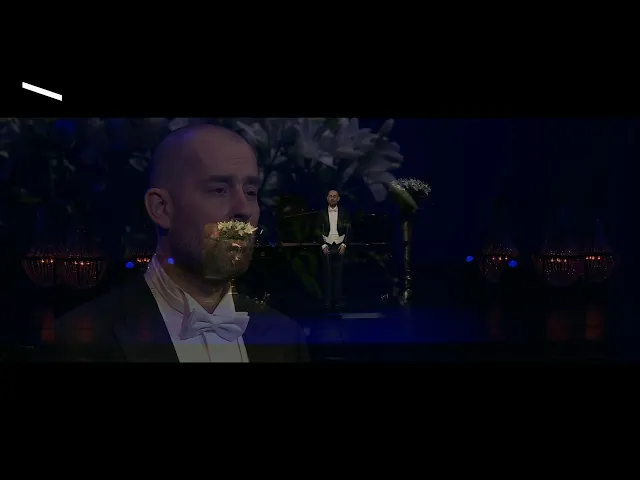
Johannes
The Norwegian baritone Johannes Weisser is considered to be one of Scandinavia’s leading singers of his generation.
He has appeared on major international stages including the Staatsoper Berlin, Théâtre des Champs-Élysées, Theater an der Wien, the Salzburg Festival, Teatro Real Madrid, La Monnaie in Brussels, Komische Oper Berlin, the Royal Danish Opera, the Canadian Opera Company, and the Norwegian National Opera, where he remains a regular guest. His work spans opera houses and festivals across Europe and North America, reflecting a career defined by both artistic depth and international presence.
Full Biography
Full Biography
Full Biography
Test Full Biography
Videos
Schumann: from Liederkreis op 24 with Christian Ihle Hadland
January 2021
Kindertotenlieder by G.
Mahler Norwegian National Opera & Ballet, main stage recital, January 2021
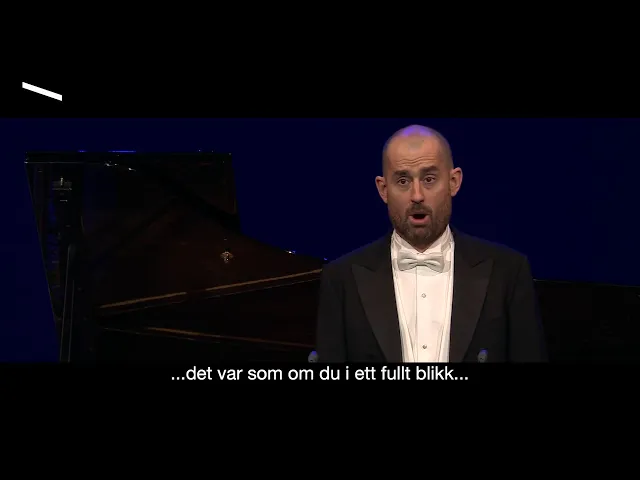
La traviata by G. Verdi – Di Provenza il mar, il suol
Norwegian National Opera & Ballet, Oct. 2023
Palais de la Musique et des Congrès, Strasbourg
BEETHOVEN – Symphonie n°9, op. 125
june 15
More info
More info
More info
00-1
" Johannes Weisser (baritone) is magnificent with his bizarre, grotesque singing style across three octaves, from the deepest bass to falsetto, delivered with relentless power, while he portrays a long-haired bum with his grinning, pushy, deceitful, untrustworthy, and latently violent behavior. "
Erling E. Guldbrandsen, Ballade.no
00-2
“Fast-paced and expressive, baritone Johannes Weisser stands out within the cast. Ready for battle, charged with vehemence, the singer brings a burst of radical energy to the front line of the soloists. In dialogue with his fellow performers, he manages to shape his vocal line with rich, dark vibrations—firm, varied, and marked by a notable charisma.”
Soline Heurtebise, olyrix.com
00-3
“The undisputed master of the stage was Johannes Weisser in the role of the stern father Germont. He was the only one who commanded all vocal registers and possessed both the artistic authority and presence to truly embody his character and convey the music as dramatic text.”
Magnus Andersson, Klassekampen